Bogor Botanical Garden (Kebun Raya Bogor): Nature, History & Travel Tips
Bogor Botanical Gardens: A Traveller’s Guide to Kebun Raya Bogor
Hello and welcome — if you’re craving a calm, green escape with a surprising amount of history, Bogor Botanical Gardens (locally Kebun Raya Bogor) is one of the most rewarding places to visit in West Java. Founded in 1817 and tucked beside the Bogor Presidential Palace, this vast botanical wonderland invites you to slow down: think shaded avenues beneath towering trees, orchid houses bursting with colour, tranquil ponds, and living collections of tropical and endemic plants.
Whether you’re a nature lover, a casual stroller, a photographer chasing soft morning light, or simply someone who needs a scenic break from the city, this garden is Bogor at its best — cooler air, greener views, and a gentle pace that makes you forget you’re still in the middle of town.
Quick answer for planners: Yes, Bogor Botanical Gardens is absolutely worth visiting. Plan at least 2–3 hours for a relaxed wander, or half a day if you like photography, museums, and slow travel.
History and Significance: Why This Garden Matters
Bogor Botanical Gardens has been the city’s calm green heart since it was established in 1817 during the Dutch colonial period. In its early days, the garden was designed with purpose: to study, cultivate, and test plants that could be valuable for medicine, agriculture, and trade. European botanists and local assistants worked side by side, collecting and classifying species from across the Indonesian archipelago and beyond.
You can still sense that “living laboratory” spirit today. This isn’t a decorative park built purely for looks — it’s a place shaped by research, record-keeping, and long-term care. Over time, the gardens grew into a major hub for tropical botany, with extensive living collections and one of Indonesia’s most important botanical references through its associated research facilities and preserved specimens.
Across the 19th and 20th centuries, the gardens played several practical roles: introducing economically important plants, supporting agricultural experimentation, and acting as a regional exchange point for botanical knowledge. Through changing governments and historic upheavals, the gardens remained a steady presence — eventually transforming from a colonial research site into a national institution connected to conservation, education, and public enjoyment.
Today, Bogor Botanical Gardens continues to serve science and conservation while staying wonderfully accessible. Locals picnic here. Students sketch leaves on benches. Joggers loop the main paths. Photographers camp out near ponds for the perfect reflection. It’s one of those rare places where history, nature, and everyday life blend effortlessly.
Must-See Spots Inside Bogor Botanical Gardens
If you only have a couple of hours (or even if you have a full day), there are a few places that feel like “chapters” of the garden’s story. My tip: don’t treat them like a checklist — pick a handful, take your time, and let the garden set the pace.
- The Giant Rain Tree – A true showstopper. Its wide, umbrella-like canopy creates a cool patch of shade that’s perfect for a break, a picnic, or dramatic wide-angle photos. You’ll see families lounging here and kids running circles around the trunk.
- Palm Collection – A dream for anyone who loves sculptural plants. Rows of palms show off wildly different shapes and textures — great for both portrait backdrops and detail shots of trunks and fronds.
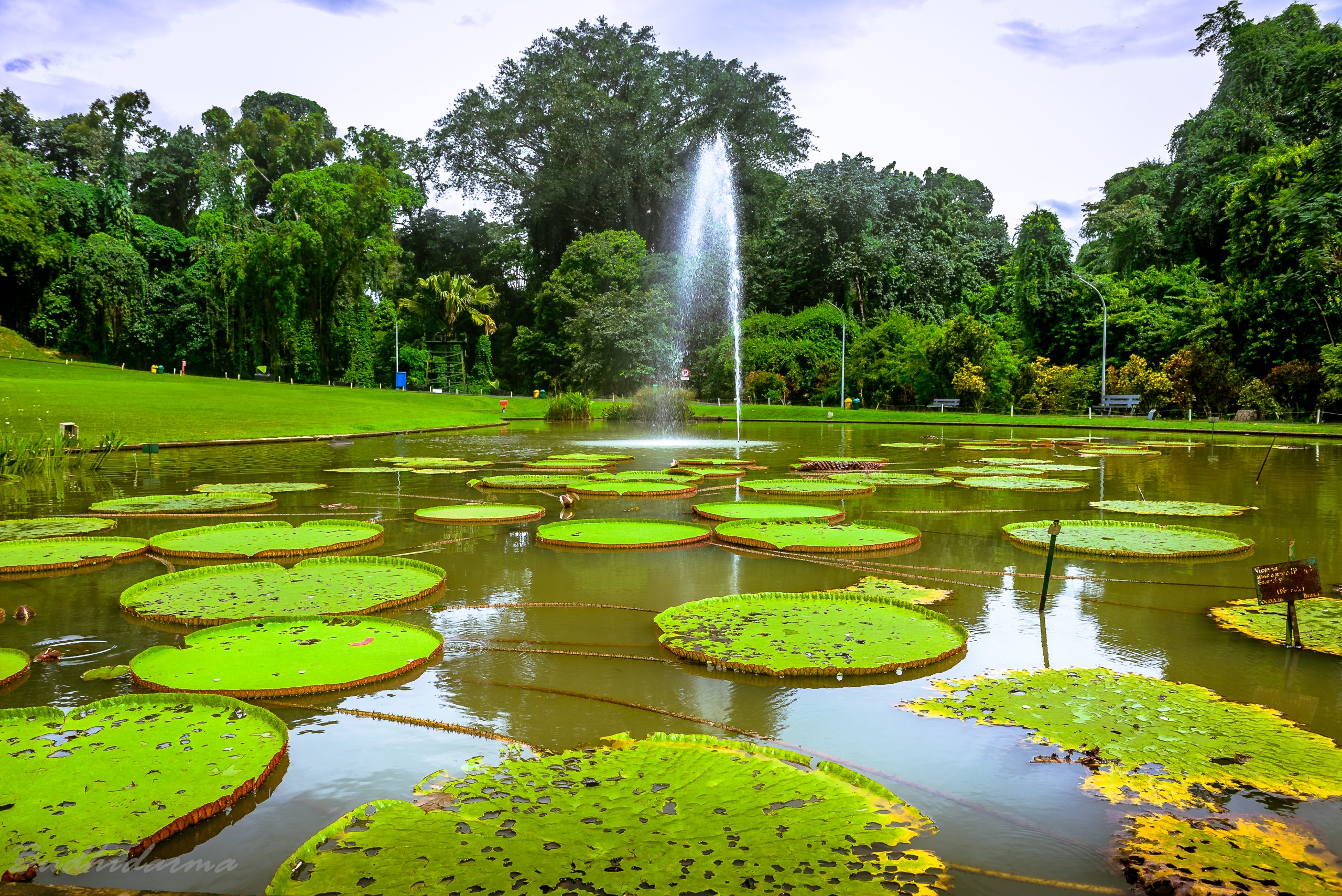
- The Lily/Lotus Pond – A calm, reflective corner where you can slow down. Early morning and late afternoon are best for photos; you’ll often spot dragonflies and small birds nearby.
- Orchid House – A colourful break from the green-on-green landscape. If you’re lucky, you’ll catch seasonal blooms at their peak.
- Zoology Museum (nearby within the complex area) – A solid add-on if you like natural history or you’re travelling with kids. Consider it your “culture stop” between garden walks.
Traveller’s photo tip: Bring a wide-angle lens for the giant trees and palm avenues. If you enjoy details, a macro lens (or a phone with a good close-up mode) is fantastic for orchids, bark textures, and lily petals.
Plant Collections and Research: The Garden’s “Behind-the-Scenes” Magic
Bogor Botanical Gardens feels like a living museum — plants as both beauty and data. As you wander, you’ll pass palms, bamboos, cycads, ferns, fruit trees, and rare tropical species that are carefully maintained for long-term study and preservation.
What many visitors don’t realise is that the garden functions as a form of ex-situ conservation: a safe haven for species that may be threatened in the wild. That work involves propagation in nurseries, monitoring plant health, documenting growth, and maintaining genetic diversity through careful collection management.
Research here supports taxonomy (identifying and classifying plants), ecology (how plants interact with insects and wildlife), and conservation planning. Because the gardens hold long-term records and older specimens, they can also help scientists study changes over time — including flowering and fruiting patterns that may shift with climate and weather cycles.
Even if you’re not a botany enthusiast, knowing this adds a layer of meaning: you’re not simply strolling through a park — you’re walking through a site that protects plant diversity and helps keep knowledge alive for future generations.
Visitor Tips and the Best Time to Go
If you want the smoothest, most enjoyable visit, aim for early morning or late afternoon. Mornings are magical: cooler air, softer light, fewer crowds, and more bird activity. Late afternoon brings golden light and a relaxed vibe as the heat fades.
Whenever possible, visit on a weekday. Weekends and public holidays can get busy, especially near the most popular photo spots. If weekend is your only option, go early and explore the quieter corners once the main lawns fill up.
- What to wear: Comfortable walking shoes. After rain, some paths can be slick or muddy.
- What to bring: Water, sunscreen, insect repellent, and a small umbrella or lightweight rain jacket.
- Bogor weather reality: Sudden showers are common — even on “sunny” days.
- Explore slowly: The garden is big. Give yourself permission to sit, pause, and enjoy the shade.
Practical Information
Location: Central Bogor City, West Java (next to the Bogor Presidential Palace)
How long to visit: 2–3 hours (comfortable) or half a day (slow travel + photos + museum)
Getting there from Jakarta: Take the commuter train to Bogor Station, then walk or use a quick ride-hail/ojek to the entrance.
Getting around locally: Ride-hailing apps are convenient; local angkot is an authentic option if you enjoy local transport culture.
Note: Opening hours and ticket prices can change due to events or maintenance. It’s worth checking the official channels or recent visitor updates before you go.
Nearby Attractions: Turn Your Visit Into a Full Day in Bogor
One of the best things about visiting Bogor Botanical Gardens is how easy it is to build a full day around it. A few of Bogor’s classic sights sit just a short walk or drive away, so you can keep the day relaxed without constantly hopping in and out of traffic.
- Bogor Presidential Palace (Istana Bogor) – Admire the architecture and palace grounds from outside (entry is usually limited).
- Local cafés and food spots – Bogor has plenty of places nearby for coffee breaks and lunch after your walk.
- City strolls – If you enjoy urban exploration, the area around central Bogor is lively and great for people-watching.
Traveller’s idea: Do the gardens in the morning, enjoy lunch nearby, then finish your day with coffee and a slow walk around central Bogor. It’s a simple itinerary that feels surprisingly restorative.
Final Thoughts: Why You’ll Remember This Place
Bogor Botanical Gardens is the kind of destination that doesn’t shout for your attention — it quietly wins you over. The longer you stay, the more you notice: the pattern of light through palm fronds, the calm pond reflections, the sheer scale of century-old trees, and the feeling that this is a place with a real story.
If you want to experience Bogor’s signature charm — green, cool, and unhurried — this is the perfect starting point.
Want more Bogor inspiration? Keep exploring with BogorHoliday.com — from waterfalls (curug) and highland views to food guides and local hidden gems. Subscribe to our newsletter and plan your next Bogor escape.
Tagged with:
Bogor attractionsBogor Botanical GardenBogor travel guidebotanical garden IndonesiaKebun Raya Bogornature in BogorWest Java tourism
We offer personalized tour experiences, comfortable transportation, and authentic accommodations to ensure an exceptional journey in Bogor - Indonesia